Provider Partnerships Fueling Integrated Live Gaming Platforms with Jackpot Features and Payment Solutions
Lars Schwarz · Nov 2, 2026
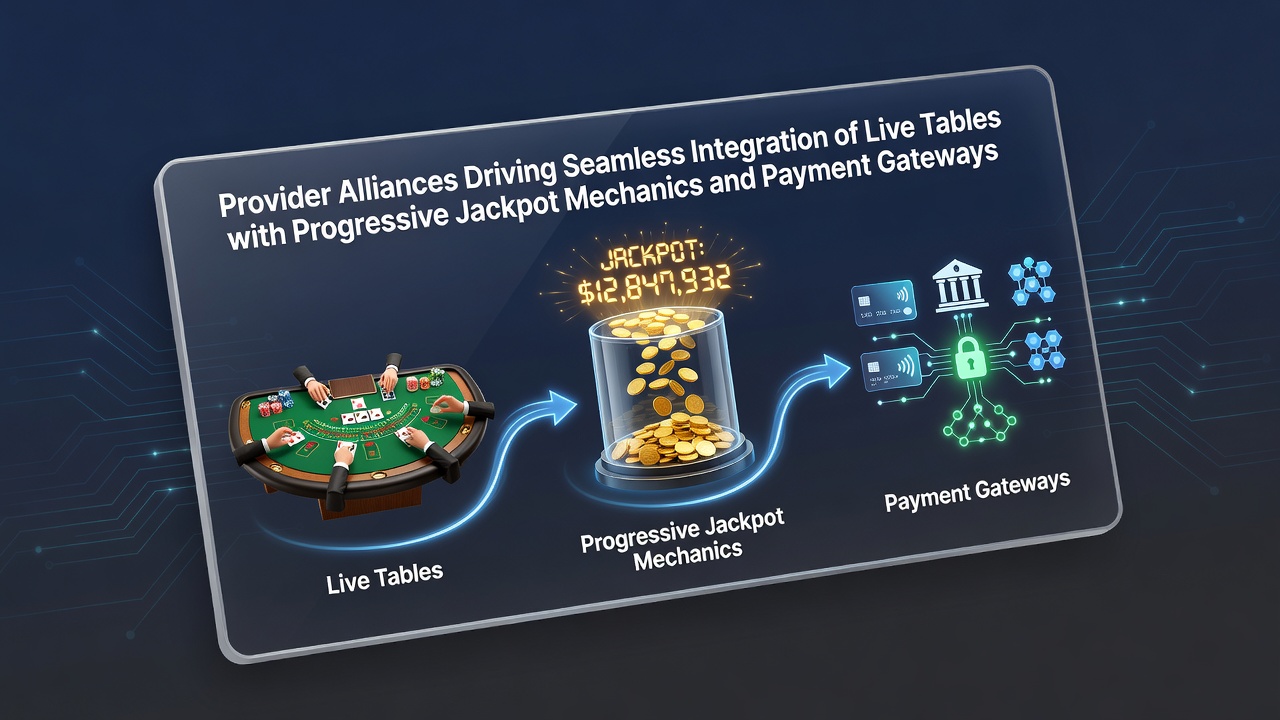
Provider Partnerships Fueling Integrated Live Gaming Platforms with Jackpot Features and Payment Solutions
Provider alliances have emerged as a driving force behind the technical unification of live dealer tables, progressive jackpot mechanisms, and payment gateway infrastructures across multiple gaming jurisdictions, and data from industry reports indicates these collaborations accelerated throughout 2025 into November 2026. Multiple technology suppliers now share API frameworks that allow real-time synchronization between table outcomes, jackpot pools, and transaction processors, which reduces latency and supports simultaneous player participation from different regions.
Core Components of These Alliances
Live table providers supply streaming infrastructure and game logic, while jackpot specialists contribute algorithms for pool growth and trigger conditions, and payment entities deliver instant settlement protocols that comply with varying regulatory standards. Observers note that joint development teams often work on unified dashboards where operators monitor jackpot contributions alongside deposit flows without switching between separate systems, and this integration stems from shared code repositories established under formal partnership agreements.
One alliance involving a European live game developer and a North American payment processor produced a connector module that routes jackpot increments directly into transaction ledgers, ensuring audit trails remain intact during high-volume periods. Researchers at gaming technology conferences have documented similar projects where session data from live tables feeds into jackpot engines in under 50 milliseconds, while payment confirmations return within the same window.
Technical Integration Pathways
Seamless connections rely on standardized data packets that carry player identifiers, bet amounts, and outcome results between platforms, and these packets undergo encryption layers mandated by both gaming and financial oversight bodies. Progressive jackpot mechanics now pull contribution percentages from live table wagers in real time, adjusting pool sizes based on aggregated activity across multiple sites rather than isolated environments. Payment gateways receive pre-validated transaction requests that include jackpot eligibility flags, which allows for automated prize distribution once winning conditions activate.
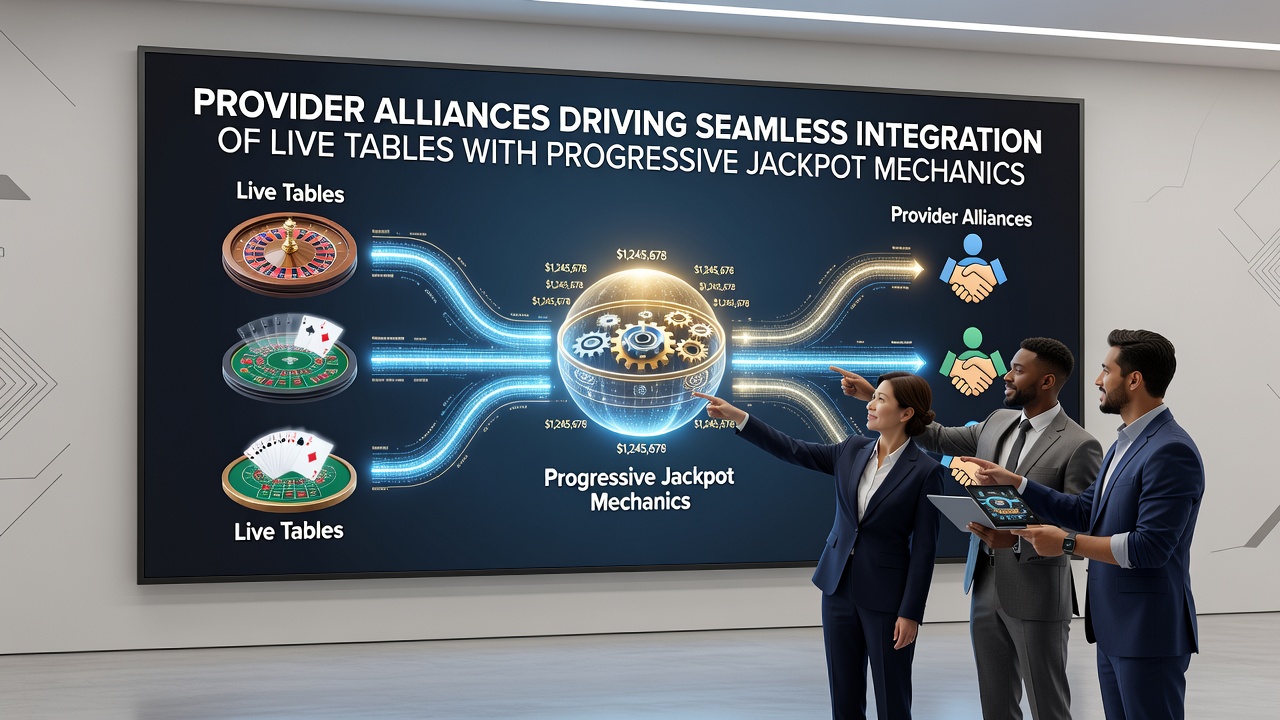
Case examples reveal that a partnership between an Asian table game specialist and a blockchain-focused payment firm enabled cross-currency jackpot contributions during November 2026 testing phases, with conversion rates applied at the moment of each bet. Those who examined the resulting logs found error rates dropped by measurable margins compared to earlier siloed setups, because redundant data handoffs had been eliminated through the shared architecture.
Regulatory Alignment Across Regions
Alliances must navigate distinct requirements from bodies such as the Nevada Gaming Control Board and the Australian Communications and Media Authority, which means compliance modules get built into the common frameworks from the outset. Reports issued by the American Gaming Association highlight how joint ventures incorporate audit hooks that satisfy multiple jurisdictions without requiring separate code branches for each market. This approach has allowed operators in Canada and parts of the European Union to adopt the same core integrations while adjusting only configuration settings for local tax and reporting rules.
Industry organizations tracking these developments have recorded increased participation in shared certification programs, where testing labs evaluate the combined live table, jackpot, and payment stack against unified criteria rather than piecemeal assessments. Data shared at trade gatherings shows certification timelines shortened when providers collaborate on documentation and test cases ahead of submissions.
Operational Outcomes Observed in Deployments
Operators utilizing these integrated systems report consolidated reporting that merges table performance metrics with jackpot payout histories and payment success rates into single outputs, which simplifies reconciliation processes. Payment gateway partners within the alliances have introduced features such as conditional holds on funds until jackpot validations complete, reducing disputes over prize eligibility. Live table streams now embed visual indicators of current jackpot levels that update dynamically as contributions arrive from connected sites, maintaining player engagement without additional overlays.
Studies from research institutions focused on gaming technology have tracked uptime improvements in environments where alliances control the full data chain, because fault isolation becomes faster when all components share monitoring interfaces. November 2026 saw several mid-sized operators migrate to these unified platforms following successful pilot programs that demonstrated consistent performance under peak loads.
Conclusion
Provider alliances continue to refine the technical linkages that bind live tables, progressive jackpots, and payment gateways into cohesive systems, with ongoing work centered on expanding geographic reach and incorporating emerging standards for data privacy. Figures from trade group publications reveal sustained investment in these collaborative frameworks, while regulatory bodies in multiple regions have begun issuing guidance that encourages standardized interfaces. The pattern established through these partnerships points toward broader adoption of unified gaming infrastructures that prioritize interoperability across supplier ecosystems.